
VI. Sapporo Classic Beer – Haru No Kaori / 陽の顔 り
Location: Almost anywhere in Sapporo, Hokkaido
Nature: Alcoholic
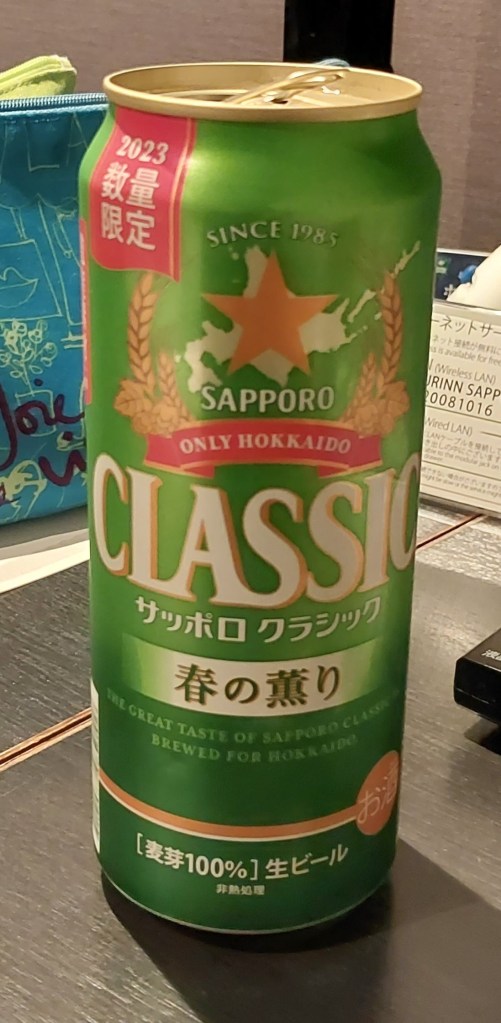
This one is another “in-season”, “limited edition”, proudly “local” beer having global fans. Again this came through sheer stroke of luck, as the beer is made and sold only during the spring season or Sakura (Cherry Blossom) season in Japan. The beer is very fresh and flavourful as its other “Classic” cousin, yet, this one contains distinct floral aromatic notes and limited flavour of malt, unlike the Classic Beer. The hops make it slightly bitter though, but not overwhelming. The visitors to Hokkaido during spring season must try this one as well – it will some day become the “Heritage” beer of Hokkaido.
VII. Asahi Fortune Phoenix Super Dry Beer
Location: Almost anywhere in Japan
Nature: Alcoholic
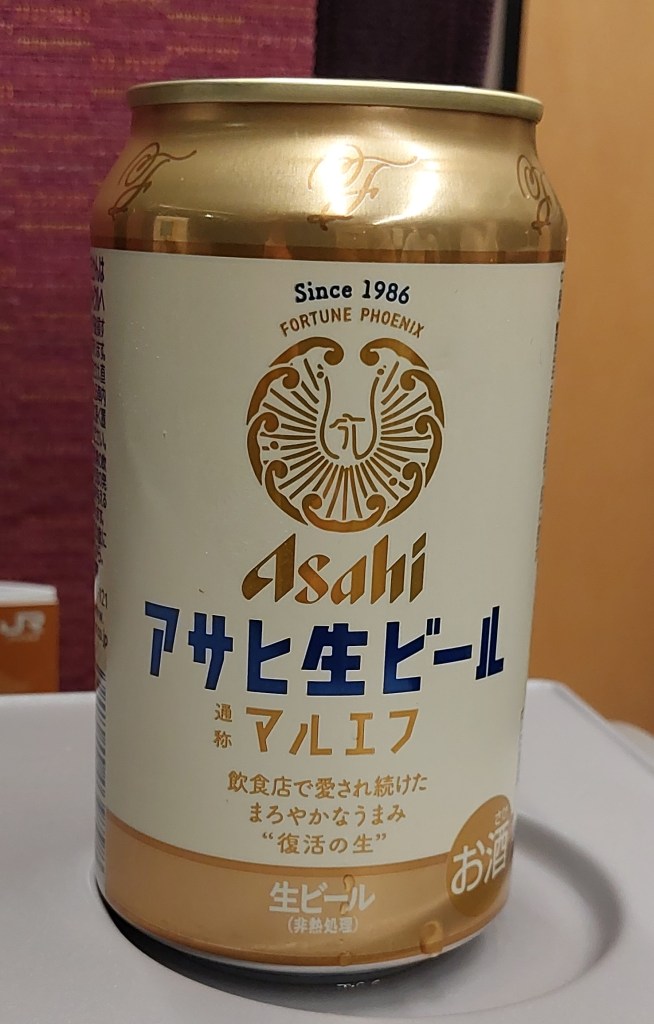
The name “Phoenix” is apt for this beer considering the fact that the beer was not sold since 1993 to 2021 to free up production capacity for other Asahi brand beers. The super dry beer was revived akin to the Phoenix.
Asahi is a Japan based global beer brand with its beer sold across multiple geographies. I am not sure I ever tried this variant of beer outside Japan. But the phoenix super dry beer is a bit stronger than the regular light beer with ABV of upto 5%. This beer fills the gap between the light and strong beer variantsand is meant for people who dislike the overtly matly taste. Specially recommended for people who like their beer a bit bitter and stronger.
VIII. Ginger Ale and Honey Lemonade Soda
Location: Upopoy Ainu National Museum, Shiraoi, Hokkaido
Nature: Non-Alcoholic
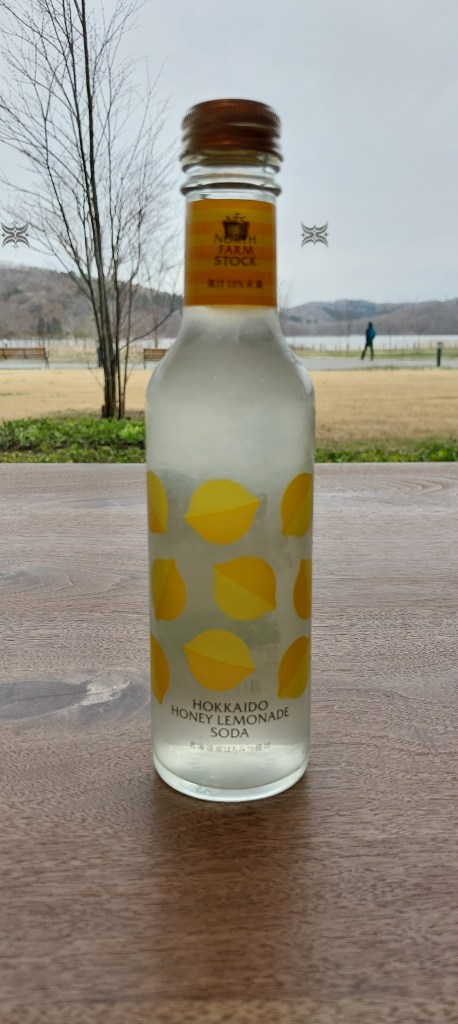

Nothing can up the ante for the campaign of “Vocal for Local” more than the fresh locally produced food items grown in the region as well as processed and packaged in the same region. These two drinks shown above are a testament to the rich prowess Hokkaido possesses in adding a distinct local flavour to the common foods and drinks, much of which is a blessing of the geology of the place.
The Hokkaido Ginger Ale is made from ginger native to Hokkaido and using Hokkaido’s freshwaters from the mountains and volcanoes. This ginger ale is remarkably stronger and spicier than other ginger ales I have tried so far and produces a marked warming effect in the body, which came in handy considering the unexpected snowfall we encountered in Hokkaido.
The Hokkaido Honey Lemonade soda is a perfect blend of the flavours of honey and lemon, sans the thick and syrupy texture. The aroma is intoxicating and ironically this drink is non-alcoholic. As is the trend with sweet foods and drinks in Japan, the sweetness is not overwhelming at all but the aroma of both lemon and honey haven’t been compromised.
IX. Kamuy Tonoto Sake
Location: Upopoy Ainu National Museum, Shiraoi, Hokkaido
Nature: Alcoholic

In Ainu language, Kamuy means God or Heavenly spirits and Tonoto means alcoholic drink. Thus, Kamuy Tonoto literally translates to “God’s Alcoholic Drink” and is used for Ainu rituals or offering to guests. It may be recalled that the Ainu people are indegenous to Hokkaido (Japan) and parts of Russian Far East like Sakhalin and Kuril Islands.
The Kamuy Tonoto is a cloudy sake, tasting rich in rice and is quite sweet. The drink itself is very strong and should be had in moderation. The taste however is quite invigorating and offers the necessary warm feeling in the harsh cold weather of Hokkaido and Russia.
X. Mitsuya Cider
Location: Almost anywhere in Japan
Nature: Non-Alcoholic
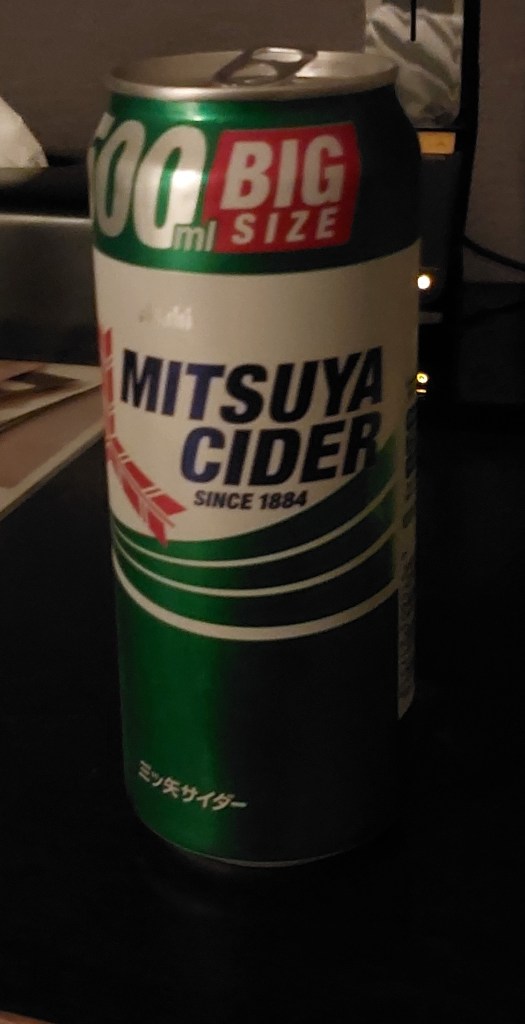
The Mitsuya Cider is a fruity soda-based soft drink and is non-alcoholic despite containing the word “cider” in the name. The cider I had contained fizzy apple drink and it was way better than many of the fizzy apple drinks I had in other parts of the world, barring a select few. Not too sweet and a bit tangy, this smooth cider is extremely refreshing and packs the necessary punch to keep one awake.
[.. continued in page 3 .. ]
 A Quest for the Uncliche
The post is great. How wonderful it is to explore the foods and drinks of other cultures. It makes one relax into the culture. Acceptance is great. When you enter the other regions, the reluctance works not. Moreover the idea of traveling is accepting what comes to you.
Beautiful exploring. Keep inspiring the solo travelers here 😉
LikeLiked by 1 person
Thank you so much for your visit and your comment.. Really appreciate it.. ☺️
You hit the nail on its head.. Acceptance of local cultures is what makes traveling worthwhile and enjoyable.. Seeing the biggies is just a small part of traveling and not the entirety.. Cultural acceptance is what makes traveling complete.. 😊
Thoughts like these help us understand what we are missing on when we try to articulate and balance our excitement and experiences with words which can make some sense of the surreal.. Many thanks once again.. 😊
LikeLiked by 1 person
Glad you enjoyed the visit. Enjoy! have a wonderful week !
LikeLiked by 1 person
Although I’m not a beer drinker, I did have mouthfuls along the way in Japan so at least I’ve tasted most of the beers. 😉
LikeLiked by 1 person
Oh wow..!! What all beers did you taste in Japan? Did you also try sake? Hope the experience was good..
LikeLike
Very impressive sampling! Thank you so much for including the non-alcoholic choice. These are sometimes the most interesting. My daughter is lactose-intolerant, so good to know she might be able to try the milk.
Excellent article!
LikeLiked by 1 person
Well, I found the Hokkaido milk to suit me despite my lactose intolerance.. but again, won’t recommend this for others as I don’t know their condition..
Indeed Hokkaido offers a plethora of non-alcoholic liquid elixirs.. 😊 glad you liked them and happier that you would consider trying them.. 😊
Thank you once again.. 😊
LikeLike
I’ve had some odd drinks on my travels for sure. In Peru we had to buy drink crystals for our backpack. We bought some weird black coloured mix that tasted like liquorish and some unknown flavour. It was almost undrinkable, except we HAD to drink it because we were masking the flavour if iodine in our water. Thinking about it still makes me gag.
LikeLiked by 1 person
That’s quite strange and interesting.. what was the neeed of those crystals? Was water scarce in that region? Hope to try it someday.. Thank you for sharing.. 🙂
LikeLiked by 1 person
We needed water because we were trekking up to some major elevations, and it was SUPER hot, even for April (well, hot for Canadians coming off a cold winter). The water needed to be purified because there are COWS everywhere. We kept thinking we were getting too high for cows, but then would come around a corner an wham! More cows. We had a filter, but also needed to use iodine, which tastes awful! We needed the juice crystals to mask the awful taste of the iodine, but the weird crystals were almost worse. Almost 🙂
LikeLiked by 1 person
Oh.. I get it now.. I can imagine the weird taste of iodine.. The only experience of elemental iodine I have is in chemistry lab for creating some spectacularly violet vapours and needle shaped prismatic crystals.. good old days
LikeLiked by 1 person
That’s more than I know about iodine! I’ve only ever had to use it once, and I hope to never use it again. Yuck!
LikeLiked by 1 person
Great informative post.. I think I would like to try the unprocessed milk and the cider!!
LikeLiked by 1 person
Thank you so much.. 🙂
Sure, the milk and cider are great..
LikeLike
It is incredible to see your wealth of knowledge about Japan beverage. They are a world of their own.
LikeLiked by 1 person
Thank you very much for your appreciation.. 🙂
I am just a novice and I am learning as much as I can on different aspects of Japan.. Food and Beverages are the starting points..
Thank you once again.. 🙂
LikeLike